
“Visibility is already a form of existence.”
CARE AS INFRASTRUCTURE
Hybrid Works Between Painting, Sculpture & Digital Space
Exploring care, transformation, and collective presence through hybrid artistic forms.
Iconic Mammas
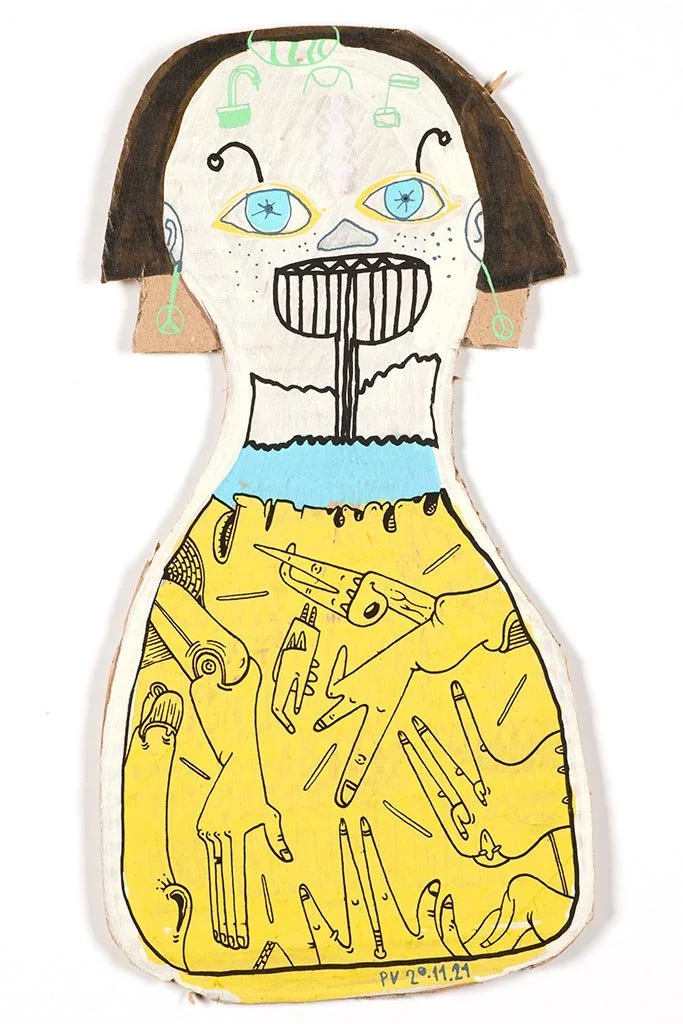
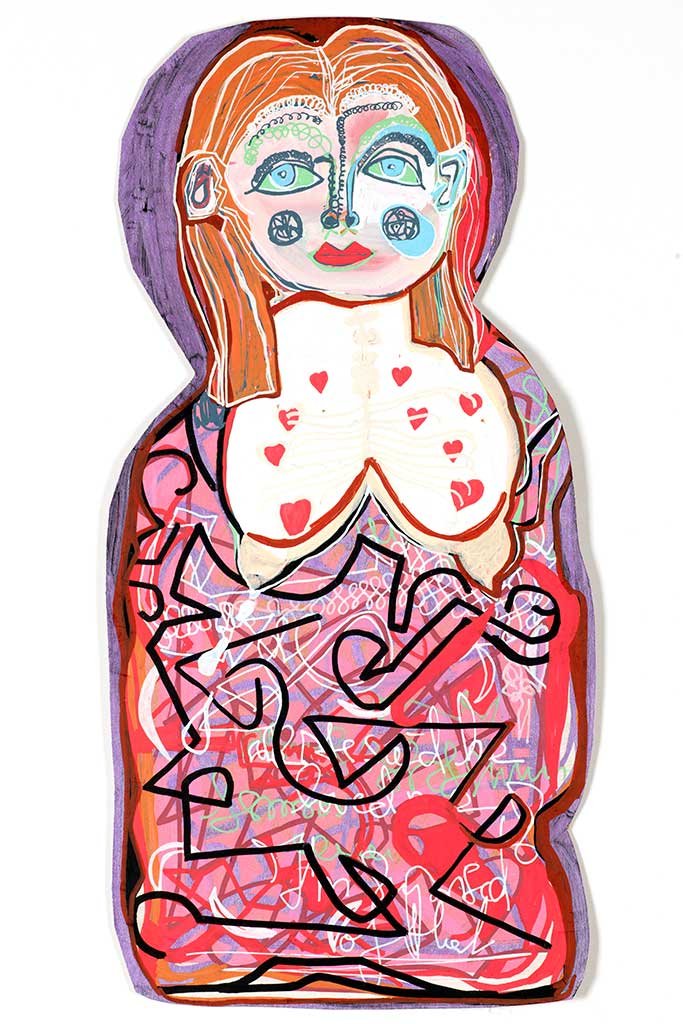
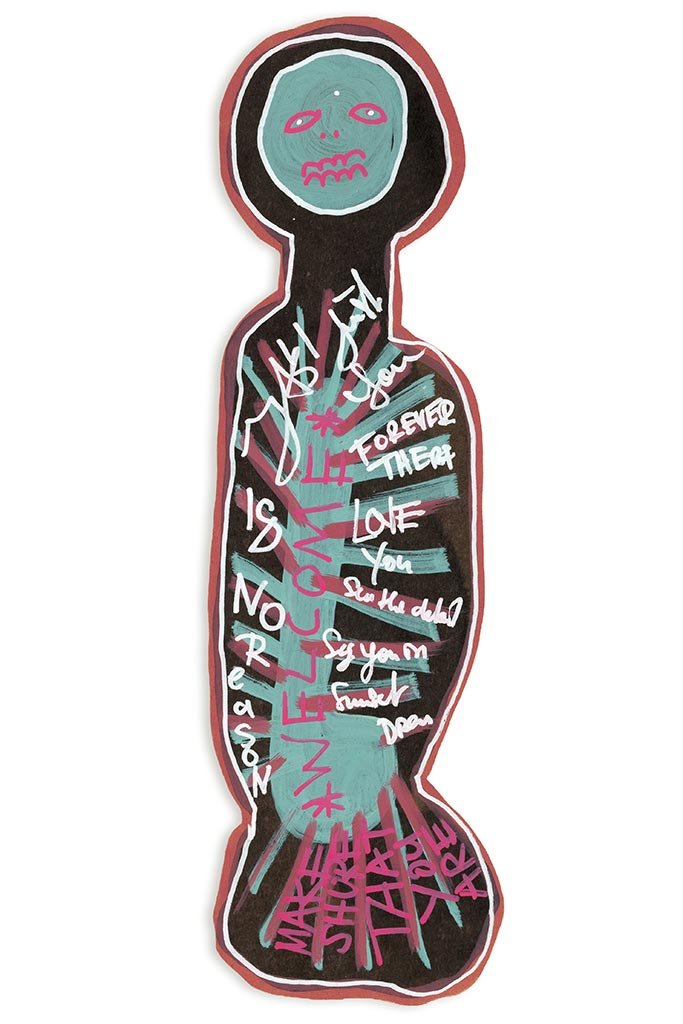
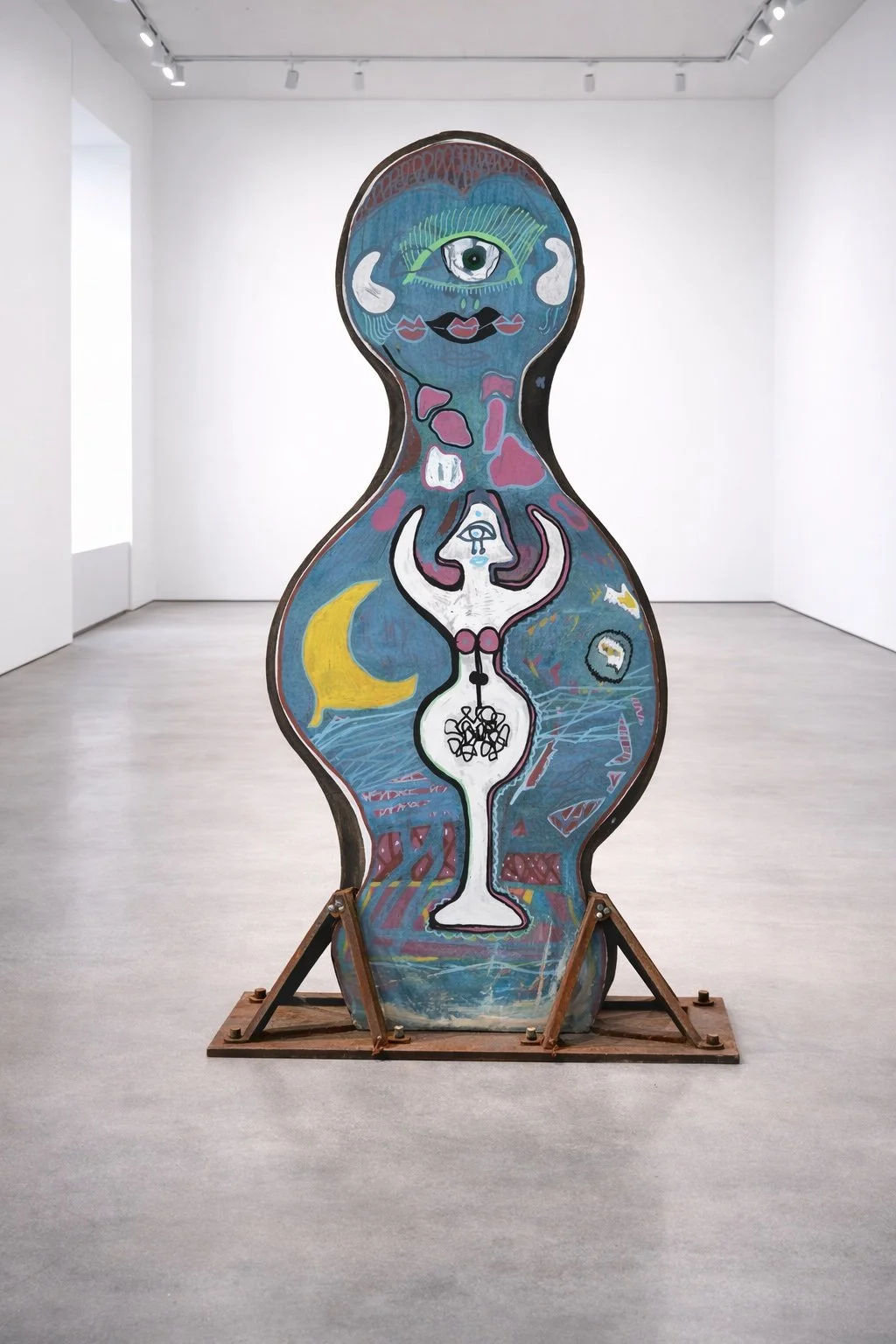
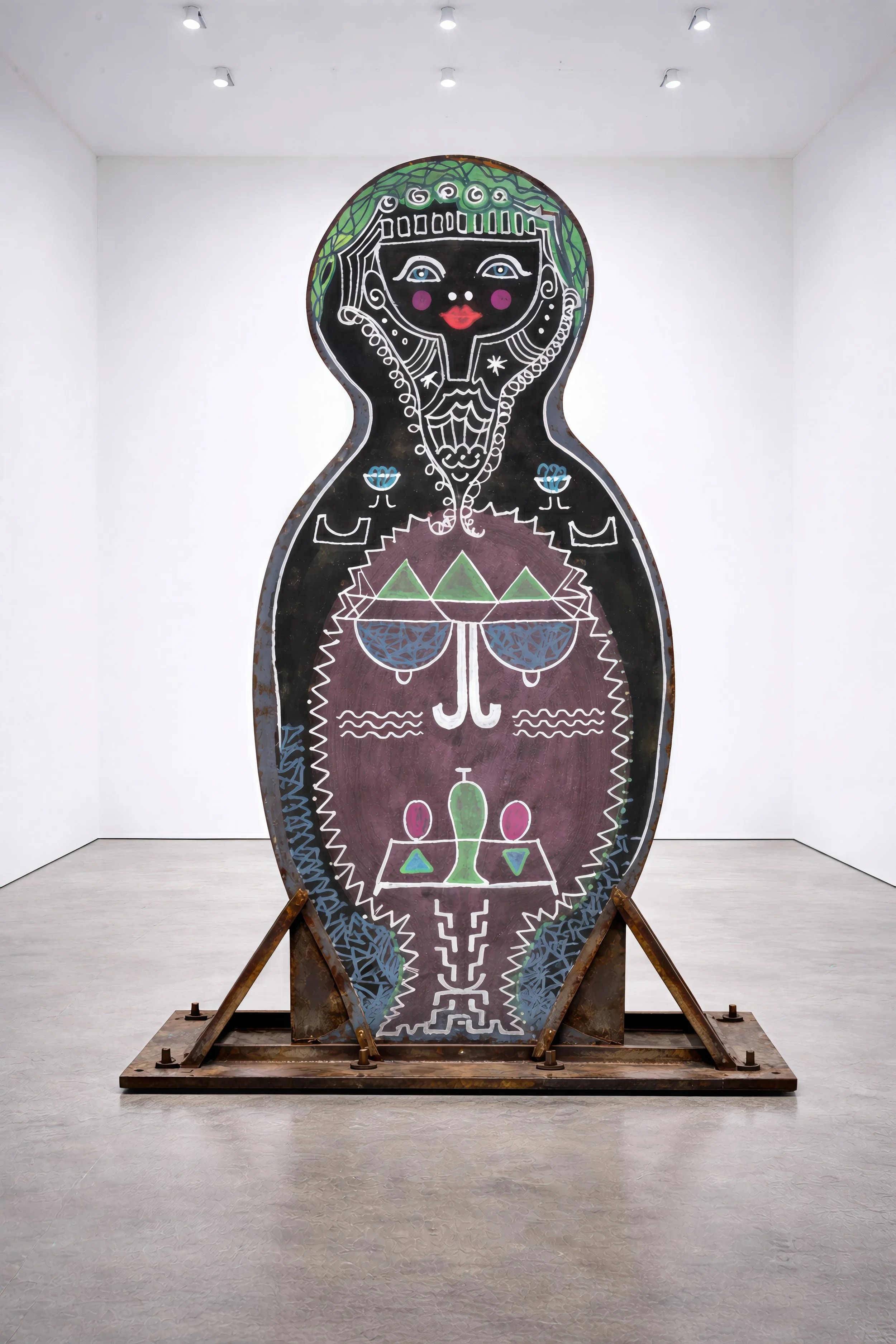
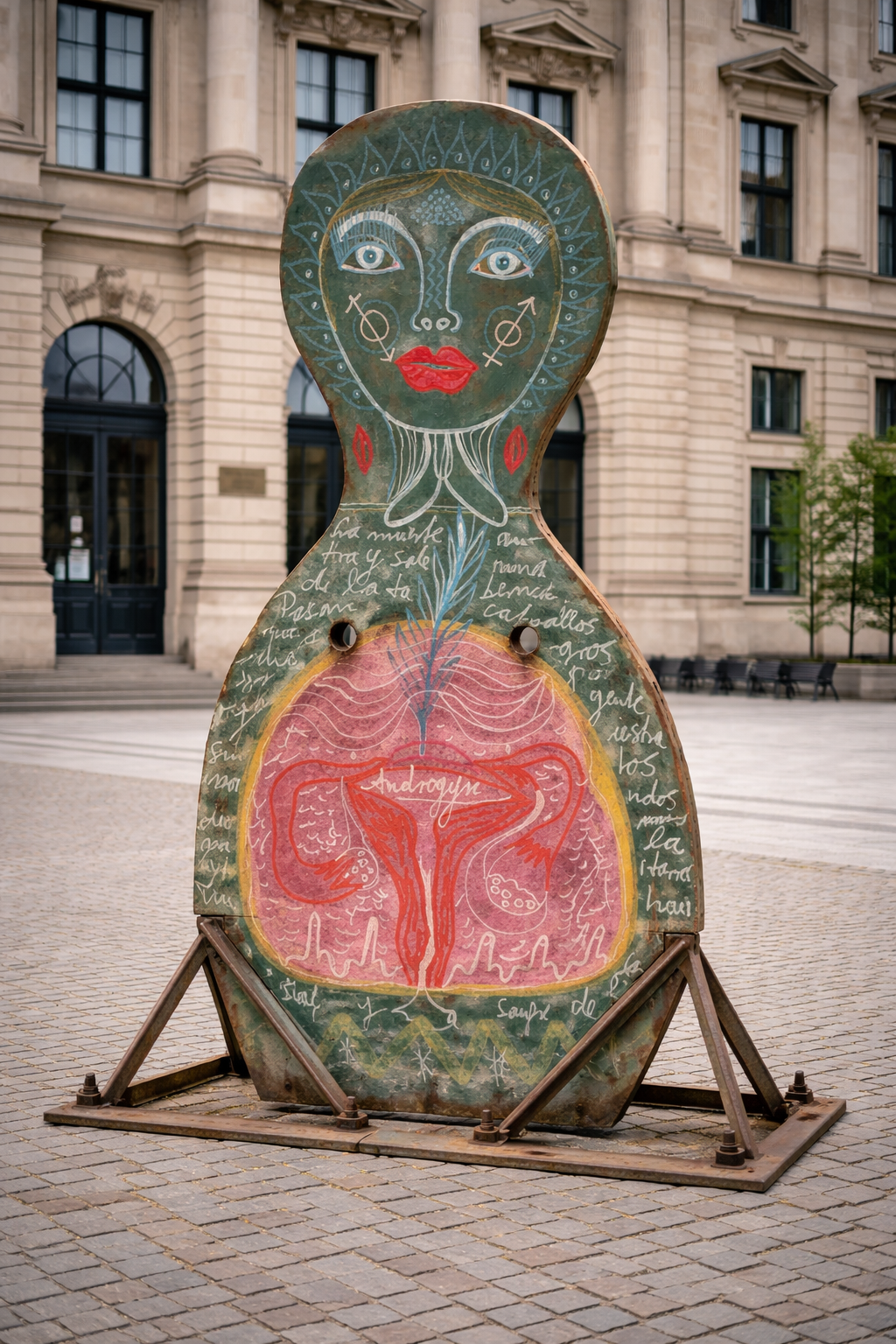
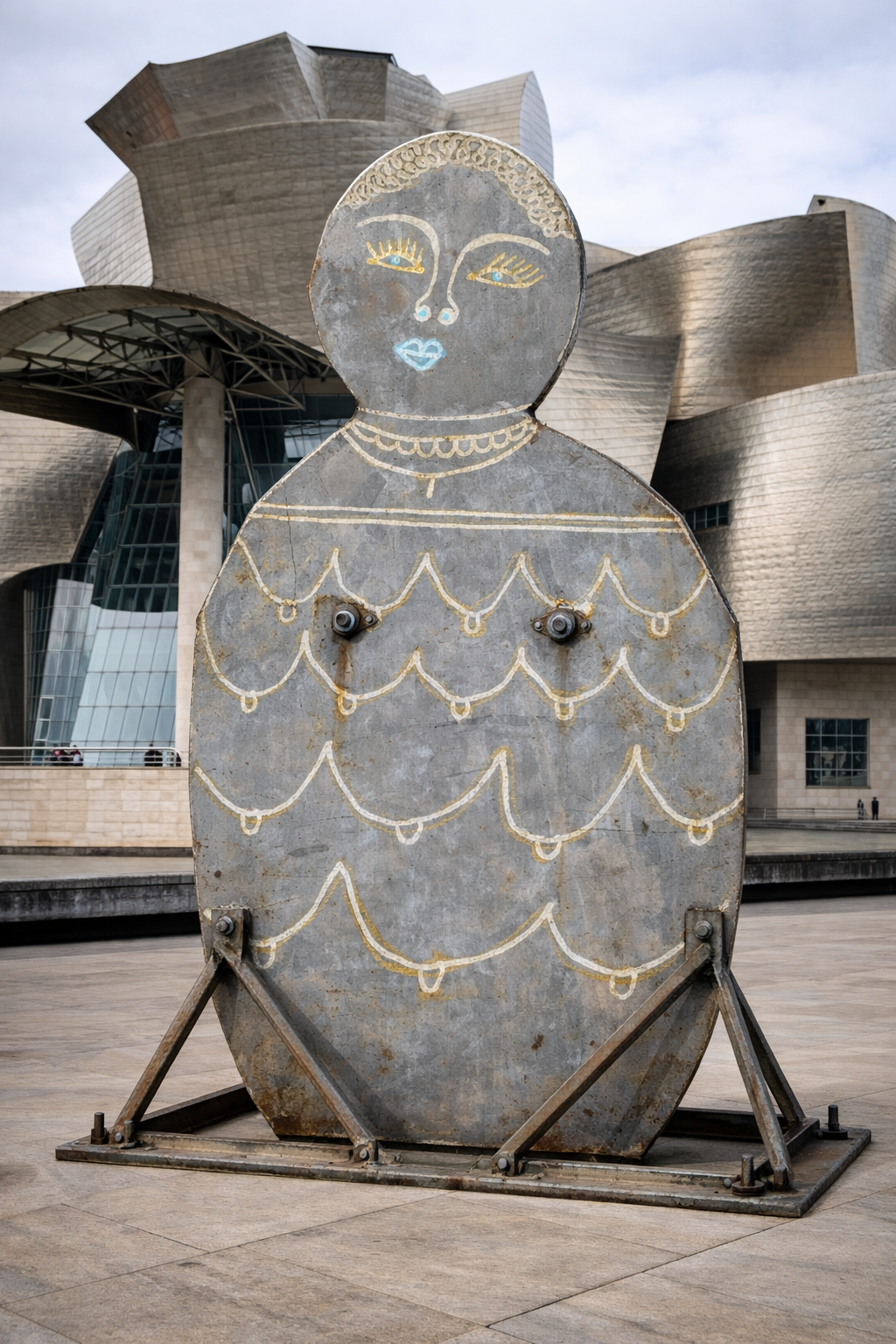
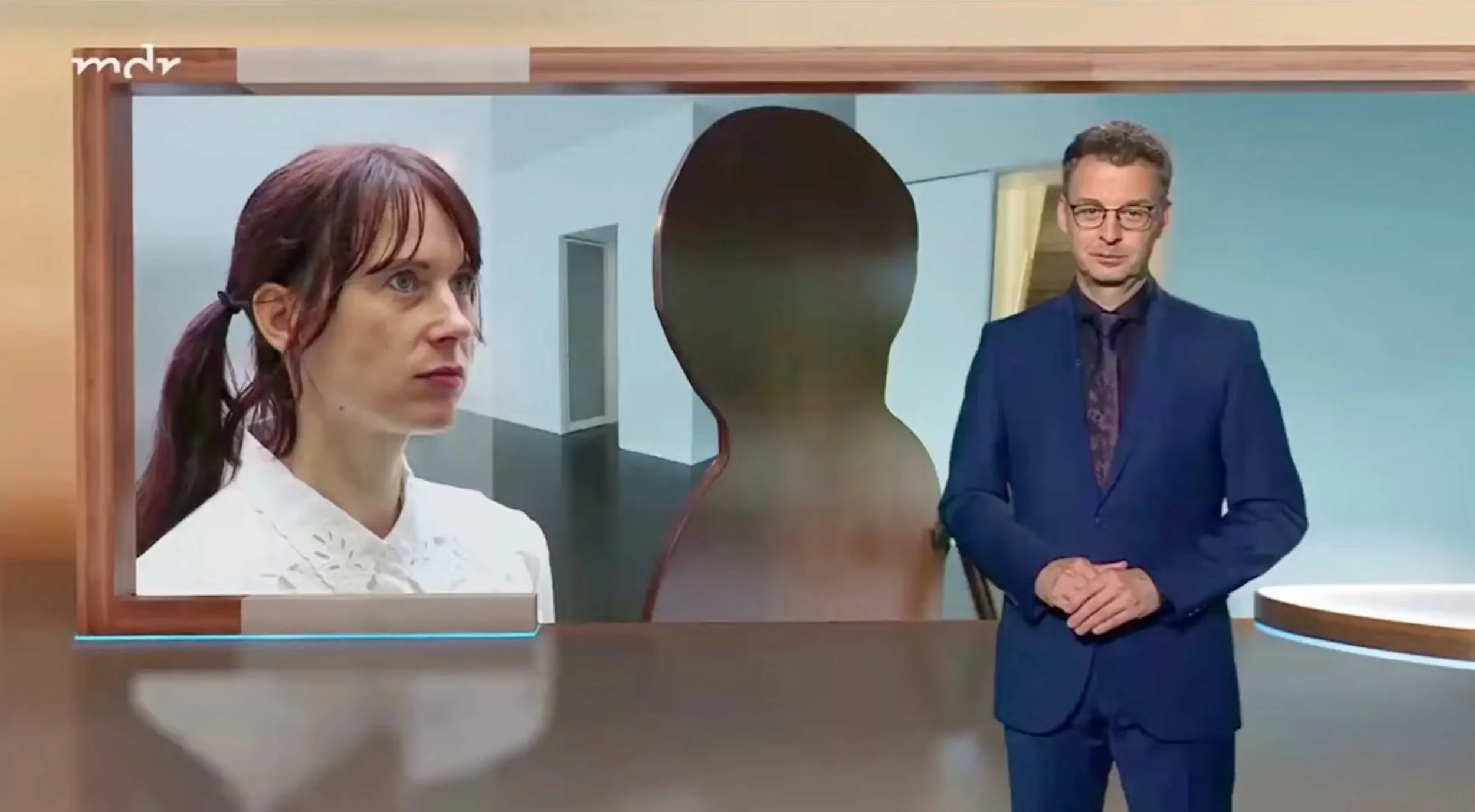
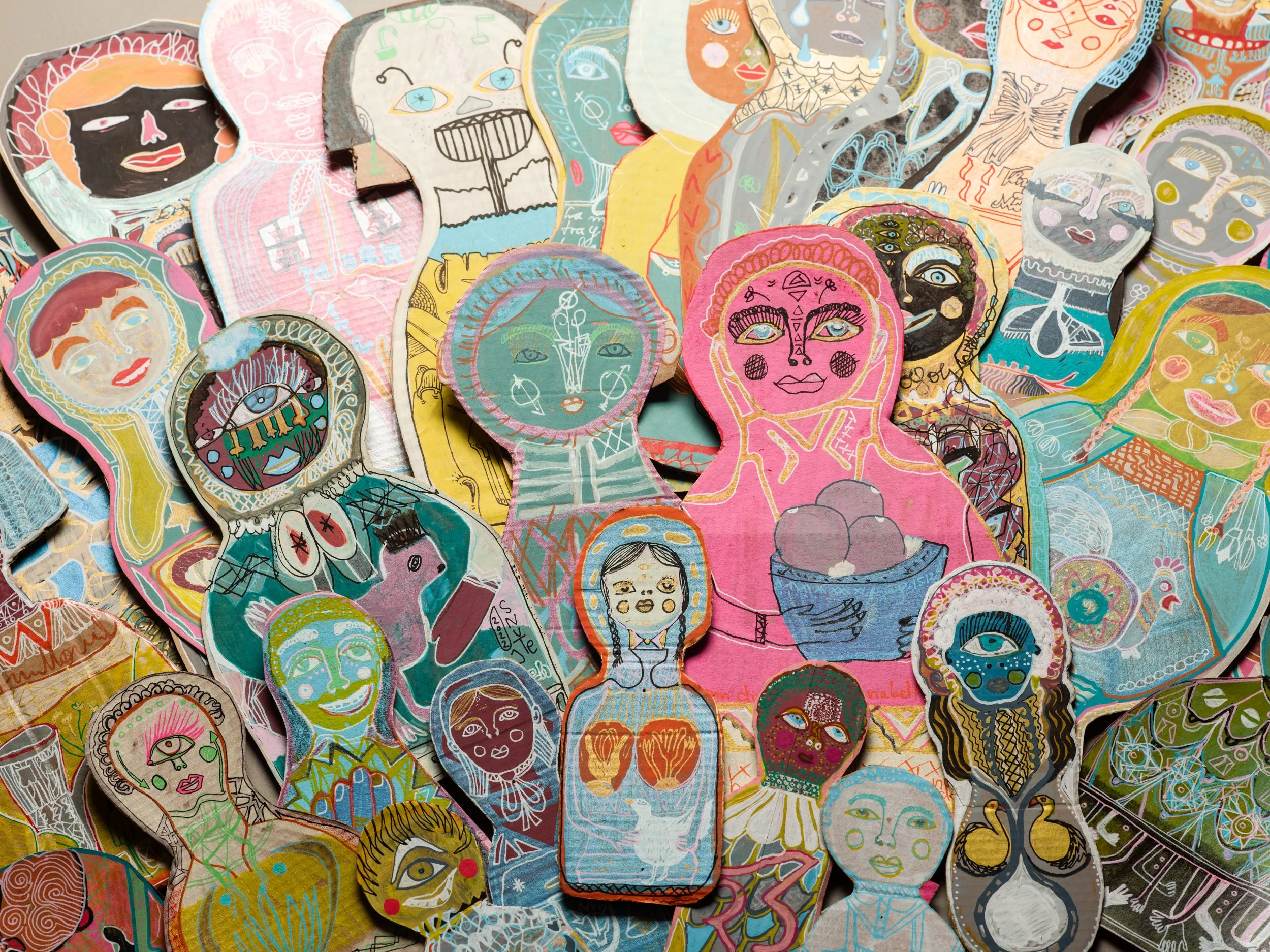
The Iconic Mammas series approaches motherhood as both an archaic and urgently contemporary motif: as the origin of life, as a practice of care, and as a quiet, often invisible force that sustains societies. In oversized, iconic figures, Suntje Sagerer translates this principle into a visual language that moves between painting, object, and digital sculpture.
The Mammas appear as archetypal image-bodies—reduced, powerful, and interwoven with ornamental structures.
They stand for care as a social and existential attitude, independent of gender, origin, or identity. Each figure is unique, yet part of a growing collective system that makes visible global connections, cultural contexts, and shared responsibility.
At a time when care work is systematically devalued, the series establishes a deliberate counterpoint: it elevates care from the private sphere into the public and museum space. The Mammas become quiet monuments to another form of strength—one grounded not in power, but in attention and devotion.
Iconic Mammas is an open system, a body of work in form of a visual archive of care.
ICONIC MAMMAS – PUBLIC SPACE
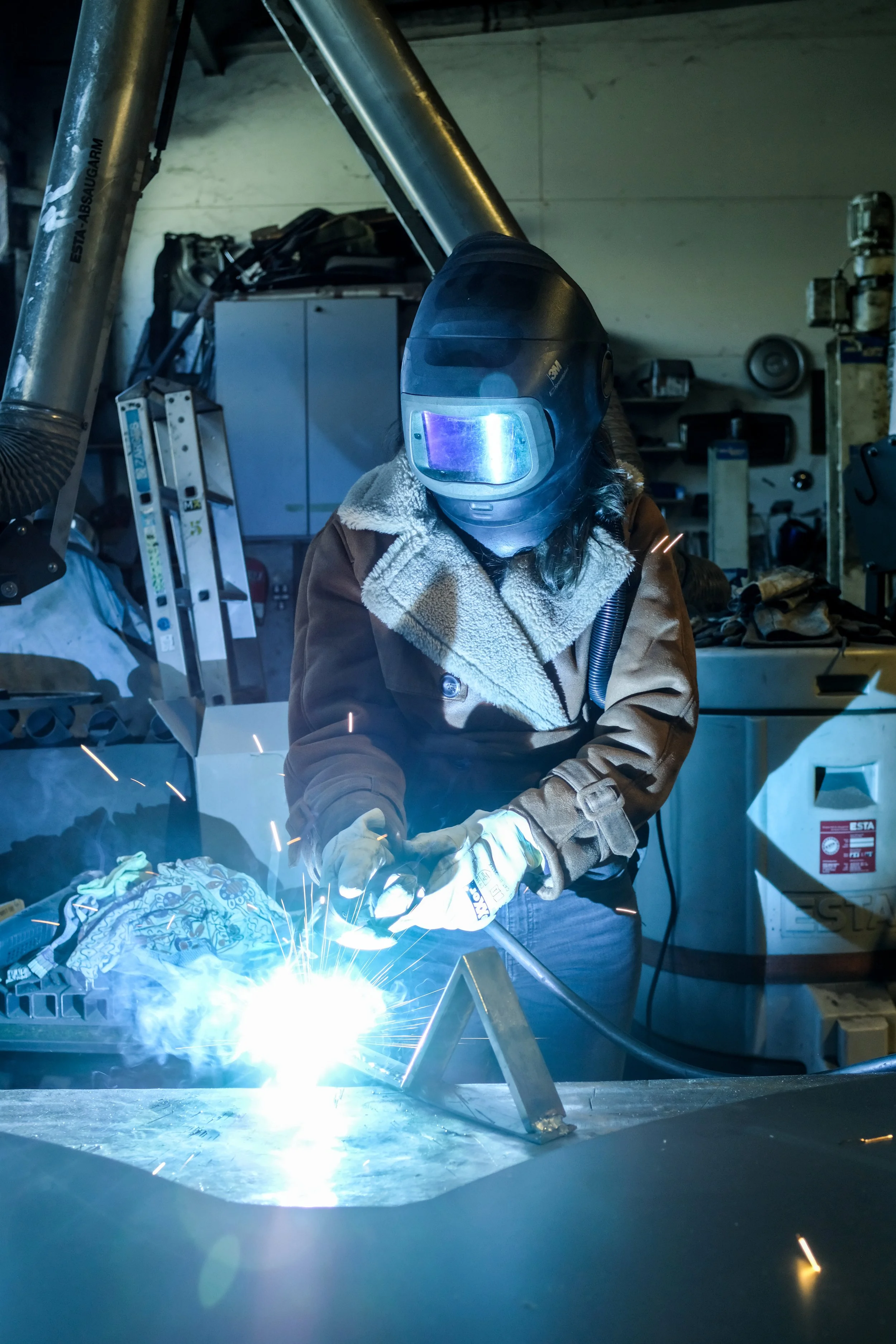
The iconic mother figure appears as a flat, industrial object within public space, anchored by a visible structural framework. As a large-scale metal sculpture, it asserts its presence in the urban environment—clear, reduced, and impossible to overlook.
The exposed construction refers to what remains largely invisible in society: the sustaining labour of care. Through their scale and placement, the Mammas resist the displacement of care into the private sphere. They make visible what holds collective systems together.
These sculptures understand motherhood as a political practice—an essential yet structurally marginalised force. By transferring care into public space, they demand attention, recognition, and new standards for what is valued within society.
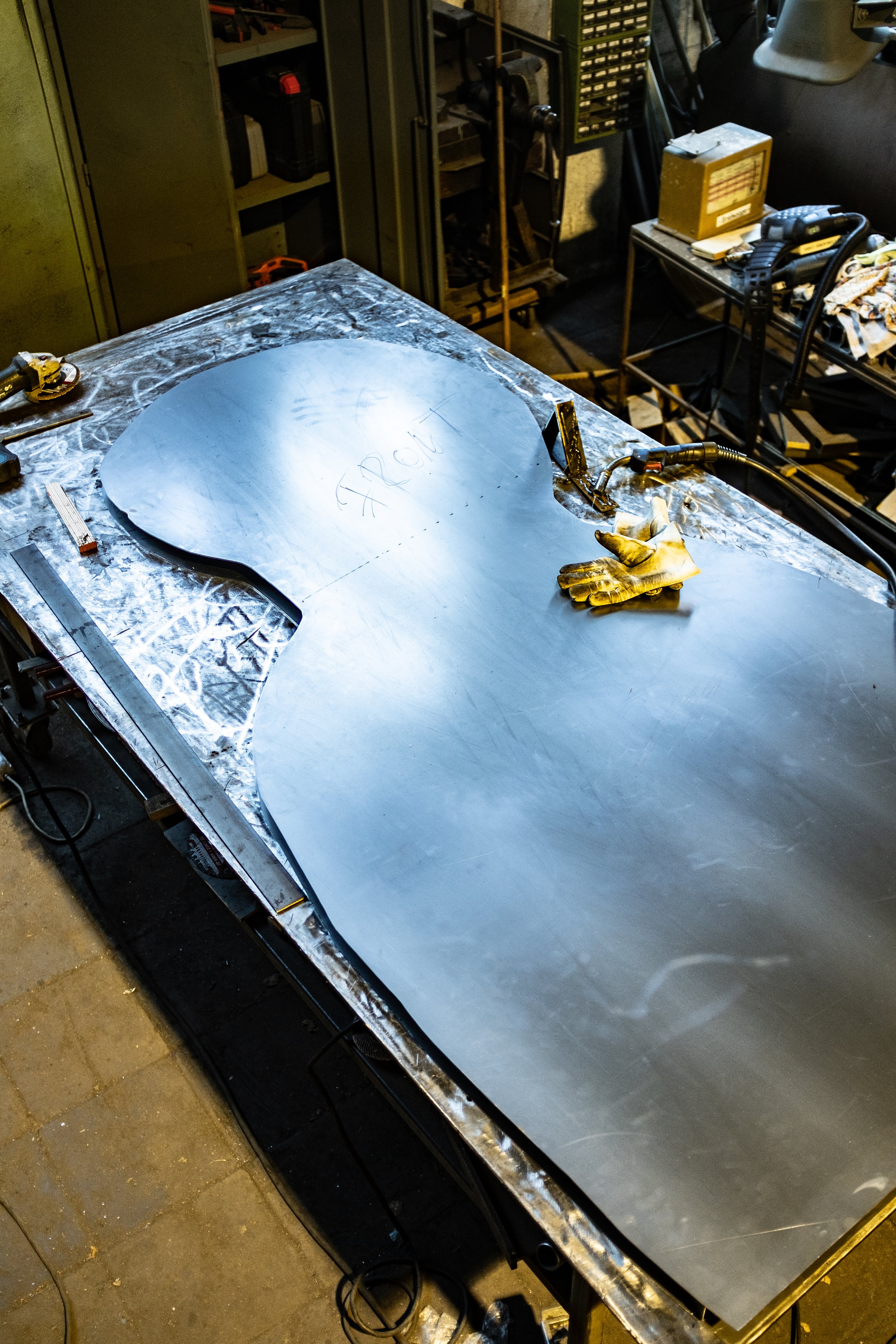
Care deserves a monument.
My work explores care, memory, and collective identity through painting, sculpture, and digital media. At the center of my current practice is the series Iconic Mammas—a growing body of works dedicated to the often unseen labor of care that sustains families, communities, and societies.
Inspired by the figurative traditions of my childhood in the Erzgebirge, where handcrafted objects carried stories across generations, I create contemporary icons that transform everyday acts of care into visible cultural symbols. Mothers, caregivers, and nurturing figures become monuments of resilience, dignity, and human connection.
Working across steel, painting, cut-outs, animation, and public sculpture, I investigate how personal memory intersects with collective experience. My works move between intimacy and monumentality, questioning which values societies choose to celebrate and preserve.
Through Iconic Mammas, I aim to create not only individual artworks but a growing network of symbolic figures—markers of care in public and private spaces that connect people across cultures and generations.
MAG MINIMAL ART GALLERY
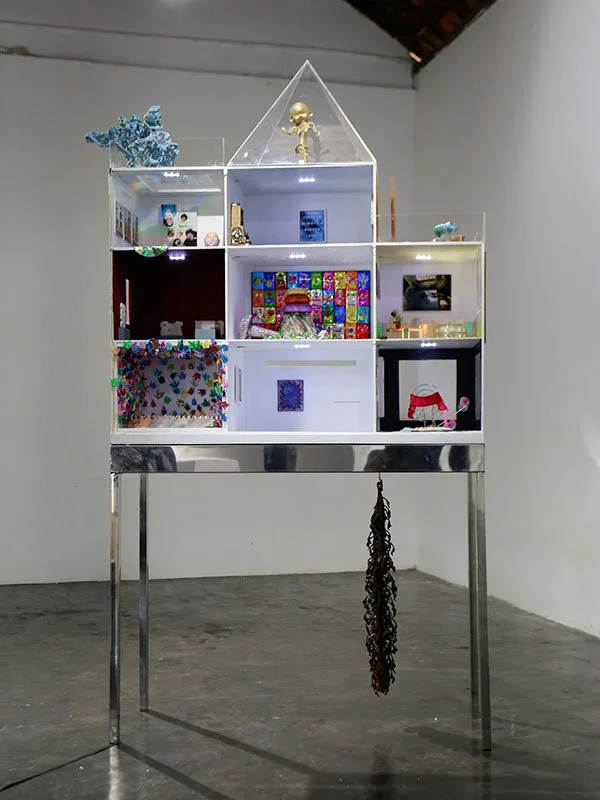
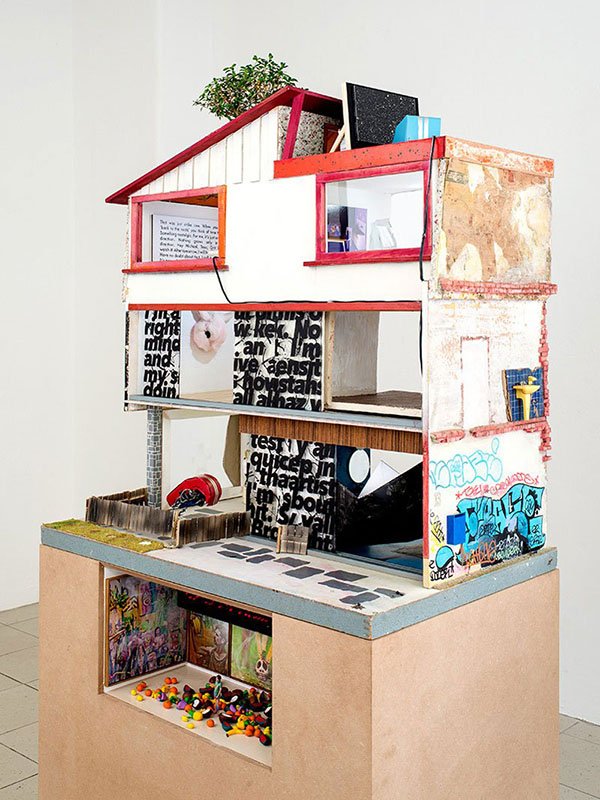
The MAG – Minimal Art Gallery emerged in 2014 from a shifting life situation: the simultaneous demands of motherhood and the desire to continue an active artistic practice. From this tension, a format developed that works with condensation, reduction, and spatial precision. Today, the MAG brings together more than 87 regional and international artists within sculptural miniature environments.
Each MAG is understanding as as a social sculpture—a condensed network of artistic positions, materials, and perspectives. The miniature scale does not limit focus; it sharpens it. It creates a concentrated field in which painting, photography, video, object, and installation enter into new spatial dialogues. The MAG is less an exhibition than an ongoing process: a precisely composed resonant space that shifts with every new constellation of works—and simultaneously expands and challenges my own artistic practice.
MAG Mothers INN
GIF Vienna
MAG Reloaded
Galerie Baer Dresden
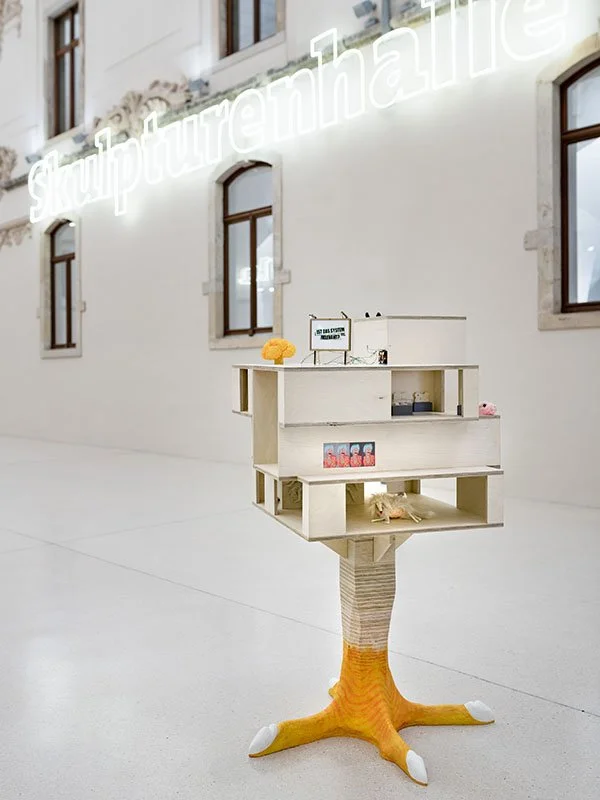
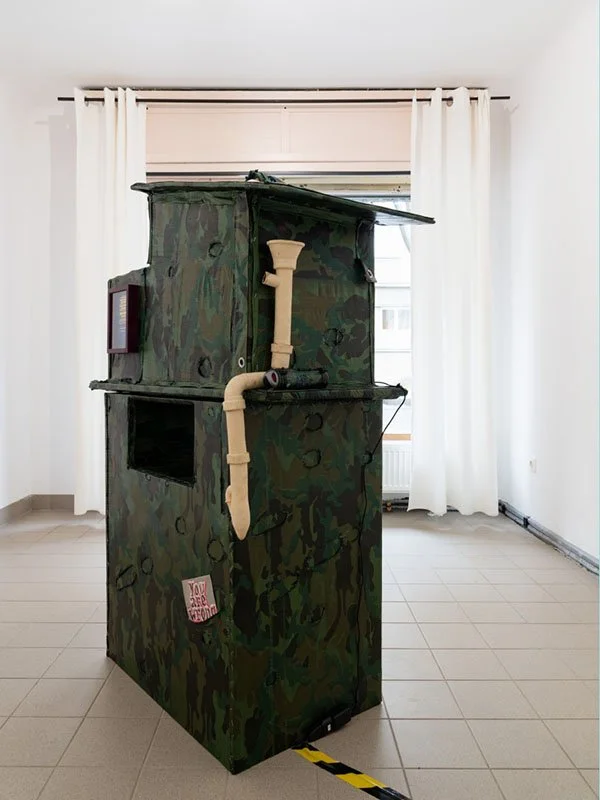
MAG Gunst der Stunde
Albertinum Museum Dresden
MAG Home
REDBASE Foundation Yogyakarta
Previously exhibited artists of MAG
Alvin Agnuba, Sophie Altmann, Marleen Andreev, Grit Aulitzky, Lisa Maria Bailer, Nadine Baldow, Klaus Beckmann, Christi Birchfield, Jan Brokof, Dominik Bucher, Stefanie Busch, Ayeleen Cocoz, Constanze Deutsch, Nicolas Dupont, Taufik Ermas, Franziska Fennert, Tony Franz, Lucie Freynhagen, Rao Fu, Dita Gambiro, Amac Garbe, Rosie Gibbens, Peter Haas, Tesa Hammerstedt-Grünberg, Sebastian Hempel, Nora Hermann, Olaf Holzapfel, Martin Honert, Tilmann Hornig, Katrin Huber, Noor Ibrahim, Maria Indriasari, Carolin Israel, Pu Jie, Thomas Judisch, Michael Klipphahn, Stephanie Klug, Ulli Klose, Angelika Korzeniowsk, Ania Kucharek, Markus Kircher, Max Kowalewski, Gregor Torsten Kozik, Stefan Krauth, Stefan Kreiger, Nadja Kurz, Alex Lebus, Jonas Lewek, Moritz Liebig, Anna Leonhardt, Frank Maibier, Simon Mann, Martin Mannig, Moe Matsuhashi, Roswitha Maul, Wilhelm Mund, Ayu Arista Murti, Nadine Wölk, Angki Purbandono, Deni Rahman, Wolfgang Richter, Billy Rogers, Johanna Rüggen, Karina Roosvita, Ivan Sagita, Paulina Sadrak, Sophia Schama, Katarina Schrul, Thai Shani, Laksmi Shitaresmi, Sabrina Straub, Elisabeth Stumpf, Enrico Sutter, Lugas Syllabus, Tatsuma Takeda, Yini Tao, Suzanne Treister, Tromarama, Andreas Ullrich, Ruth Unger, Wayan Upadana, Robert Vanis, André Wagner, Ronald Weise, Mikka Wellner, Svenja Wichmann, Angelika Wieneroither, Rebekah Wilhelm, Silke Wobst
MAG Mothers INN: Curatorial Assistant: Janina Stach, Sculptural Model: Stephan Ruderisch
MAG Gunst der Stunde: Sculptural Model: Marten Schech; Co-Organizer: Anita Müller
MAG Home: Co-Organizer: Franziska Fennert
Feel free to get in touch with me.
For collaboration inquiries, please use the form below.
I will get back to you as soon as possible.